Grocery and convenience store equipment repair in the Twin Cities
Repair of deli, bakery, display and reach-in merchandisers, roller grills and hot holding for grocery and convenience stores in the Twin Cities.
Who repairs deli cases, merchandisers and roller grills for stores?
We repair deli and bakery display cases, glass-door merchandisers, reach-in coolers and freezers, roller grills, hot holding cabinets and the kitchen equipment behind a store's prepared-food program. You get a written diagnosis and price before work starts, and we plan visits around store hours.
Grocery and Convenience Stores: what is different
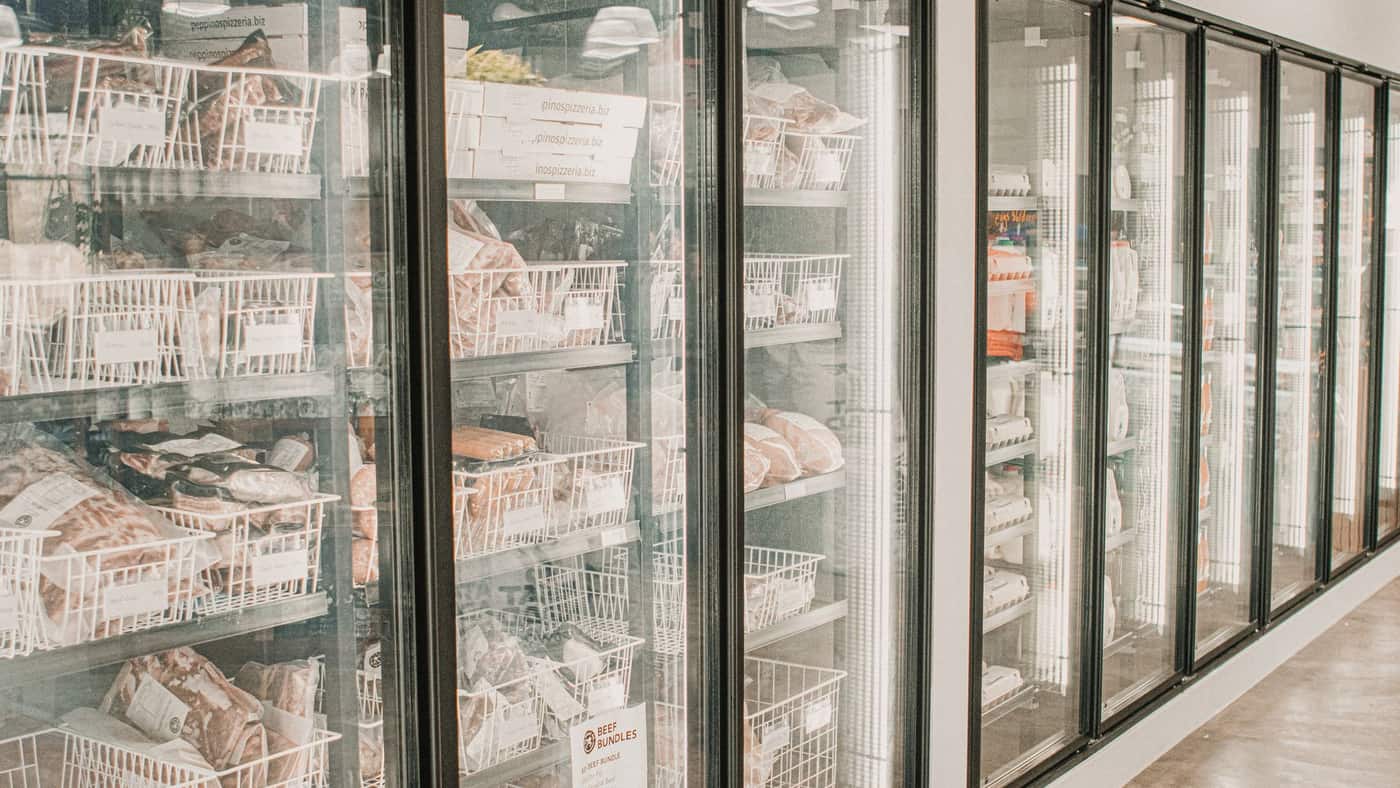
A store sells off the shelf, so refrigeration is the product display and the food safety system at once. A glass-door merchandiser that runs warm loses sales and spoils stock. A deli case that frosts over looks bad and cannot be restocked. Few other businesses lose money this visibly when a compressor quits. Customers see the equipment, and the equipment is open to them all day, which is hard on doors, lights and gaskets.
Many stores now run a prepared-food program on top of the shelf: a deli counter, a bakery, a roller grill, a pizza program or a hot case by the register. That brings cooking and holding equipment into a retail space that was never built as a kitchen. We give you a written price before work starts, and we repair display cases and merchandisers, reach-in coolers, and the food warmers and grills behind a store's hot food, on site.
Equipment that matters in grocery and convenience stores
- Display Case & Merchandiser Repair
Deli, bakery and grab-and-go cases are the sales floor. Fans, defrost heaters, lighting and glass seals are the usual faults.
- Commercial Refrigerator Repair
Glass-door merchandisers in beverage aisles run all day and hold a lot of product, so condenser cleanliness and gasket seal matter.
- Commercial Freezer Repair
Ice cream and frozen novelty cases and chest freezers fail on defrost and door seal problems, and the loss is large when a case fails overnight.
- Food Warmer & Holding Cabinet Repair
Hot cases and holding cabinets keep fried chicken, pizza and sandwiches above 135°F for the customer, and thermostat drift is the common fault.
- Walk-In Cooler Repair
The back-room walk-in or cooler holds the store's deli, dairy or bakery supply, and a warm night spoils a delivery.
- Bakery Equipment Repair
In-store bakeries rely on proofers, ovens and mixers that run on an early schedule before the doors open.
- Commercial Oven Repair
A deli or pizza program often depends on one convection or deck oven that cannot go down at lunch.
- Meat Slicer Repair
Deli slicers work all day, and blade, sharpener and motor issues are common and safety-critical.
- Ice Machine Repair
Self-serve ice, bagged ice programs and fountain beverages rely on machines in the front or back of the store.
What shapes a repair visit here
Equipment on view to customers
A broken light, a fogged door or a pool of water under a merchandiser is visible from the aisle. Stores need a repair that is tidy, with the area cleaned and the floor dry before customers walk past again. We plan the visit so the case is working, the aisle is clear, and a wet-floor sign is up while we work.
Constant door traffic
Customers open glass doors, lean on them and let them swing. Gaskets, hinges and door closers wear out fast. A door that does not close fully lets warm air in and ices up the evaporator. We check that doors close and seal as part of any merchandiser repair, since a perfect compressor cannot hold temperature against a door that hangs open.
Hot food in a retail space
Roller grills, hot cases and warming cabinets run on retail power and often with limited ventilation. Thermostat drift and failed elements show up as food that is lukewarm at the counter, and a roller grill that no longer rotates evenly is a mechanical repair. Product on display has to stay at 135°F or above, so a lukewarm case is a food-safety problem as well as a lost sale.
Small footprint, many units
A convenience store may have a dozen refrigeration units in a small space, and the compressors discharge heat into the same room. Multi-unit stores see patterns, such as one cooler that always runs warm in summer when the room heats up. We log which unit does what, so repeat faults are visible and the real cause gets fixed.
Fitting the visit around the operation
Stores are open long hours, so repairs usually mean working around customers. Early morning before the doors open, or the quiet mid-afternoon, are common windows for display cases and merchandisers. Bakery equipment is often easiest to service after the morning bake. When you call we tell you the earliest opening we have, and where the schedule allows we can come outside your busiest hours. Tell us if product needs to be moved first, and who on shift can approve the written price.
Inspections and food safety
Stores that sell perishable and prepared food are inspected under the Minnesota Food Code (Minn. Rules chapter 4626), with cold holding at 41°F or below and hot holding at 135°F or above for deli and hot food. A display case that reads warm, or a hot case that sits below 135°F, is a food-safety issue as well as a sales loss. Packaged items on shelves follow other rules.
Brands we see most
Guides
Other kinds of operation
Grocery and Convenience Stores questions
Why does my deli case have ice buildup on the back wall?
That is usually a defrost problem, a door or gasket letting warm moist air in, or a blocked drain. Check that doors close and product is not blocking the air return. If ice returns after you clear it, a defrost heater, timer or sensor needs to be tested.
My roller grill is not heating evenly. What causes that?
Usually one or more failed elements, a bad thermostat or control, or worn connections. Roller grills also fail when the rollers stop turning because of a seized bearing or drive. Unplug it before looking inside. Product has to stay at 135°F or above while it is on display, so pull it if it does not.
Can you repair equipment owned by a store but supplied by a vendor?
Check your agreement first. Equipment placed by a soft drink, ice cream or beverage vendor is often serviced under that vendor's own arrangement, and repairs by anyone else can breach it. For equipment you own outright, we diagnose and repair as usual.
Do you repair self-serve coffee and fountain machines?
We repair commercial coffee and espresso equipment and soft serve and frozen beverage machines. Soda fountains with carbonation and syrup systems are not part of our scope, and the beverage company that supplies the syrup usually supports those.
A bakery proofer keeps losing humidity. What should I look for?
Check the water supply, the reservoir level and that the door seals shut. Mineral buildup in the humidifier or a failed heating element are common causes in hard water. Descaling and element replacement need a technician if the supply is not simply off.