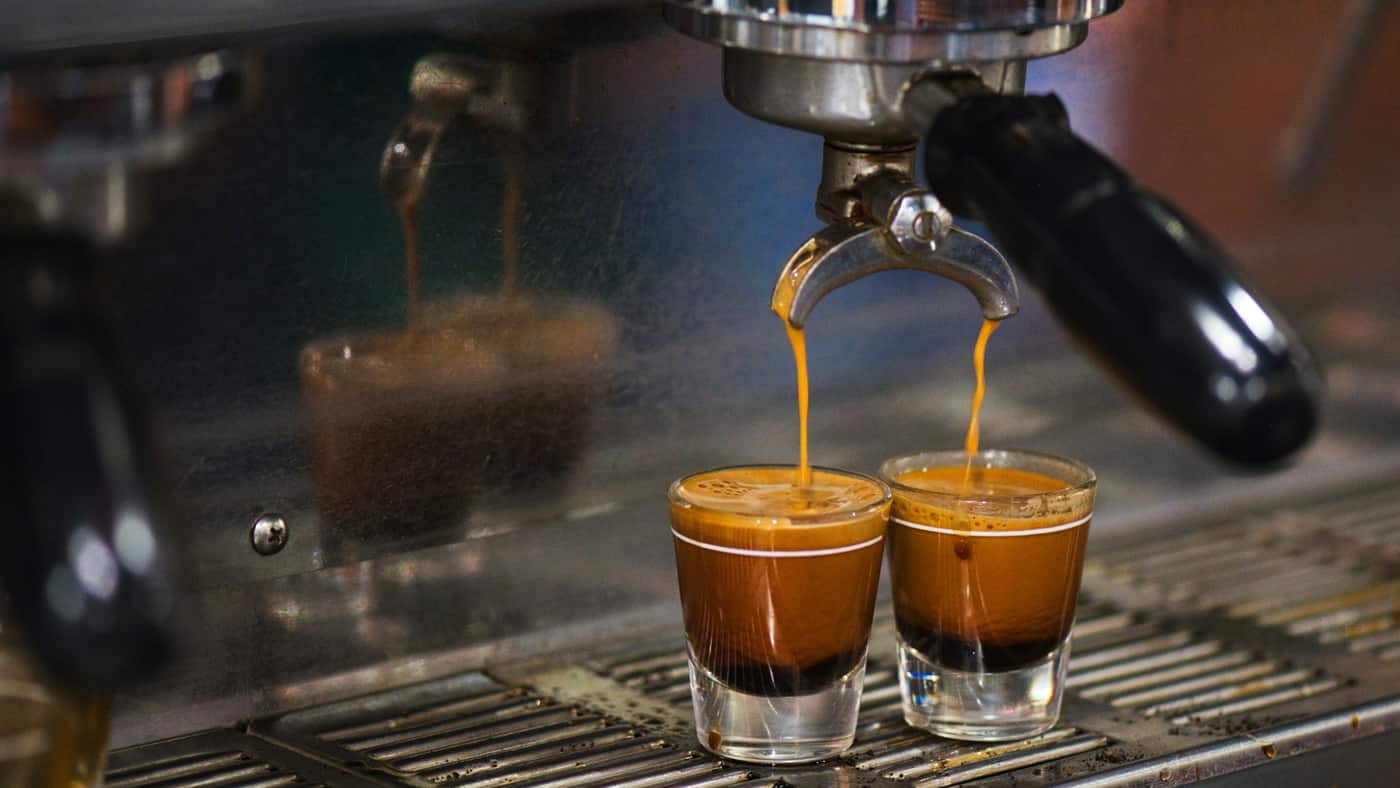
Commercial coffee and espresso machine repair in the Twin Cities
Repair of commercial coffee brewers and espresso machines: water inlet, thermostat, scale, sprayheads, boilers, pumps, group gaskets and pressurestats.
Why is my commercial coffee machine brewing cold, slow or not at all?
Cold or slow coffee usually means a failed heating element or thermostat, a scaled-up tank or a clogged sprayhead. No brew at all is often a closed water supply, a failed inlet valve or a tripped safety. On espresso machines, a worn pump, a group gasket or the pressurestat is the usual suspect.
About commercial coffee and espresso machine repair
Coffee equipment fails mostly because of water. Scale builds on heating elements and in the tank, hardness clogs valves and sprayheads, and chlorine and sediment wear gaskets. A brewer that takes twice as long, or an espresso machine that pulls a thin shot, usually has a water problem sitting behind the symptom. This page covers both drip and airpot brewers and espresso machines with group heads and steam wands, and what the water in your building is doing to them.
We repair them on site. Brewers and espresso machines are very different. A thermal-brewer fault is a thermostat, a valve or scale, while an espresso fault may involve a boiler, a vibratory or rotary pump, a pressurestat or PID, and group gaskets. A boiler under pressure is tech-only. Our restaurant equipment repair page covers the rest of the line, and the water-quality advice here applies to your ice machine as well, since both depend on the same filtered supply.
Kinds of commercial coffee and espresso machines we repair
- Automatic drip brewers
A hot-water tank, a spray head and a bypass. Scale, a failed inlet valve and a dead heating element are the typical faults.
- Airpot and thermal-server brewers
The same brewing system feeding insulated servers. A vacuum seal or pump lever can also be at fault.
- Traditional espresso machines
A boiler, a pump, group heads with gaskets and a steam wand. The boiler is a pressure vessel and is tech-only.
- Super-automatic espresso machines
A grinder, brew group and milk system inside one unit. Grinders, brew unit and milk circuit all need regular cleaning.
- Water-line and bean-to-cup machines
Machines plumbed to a filtered water line. Water filter changes and line pressure matter as much as the machine itself.
Complaint, cause, correction
| Complaint | Likely cause | Correction |
|---|---|---|
| Brewer produces cold coffee | A failed heating element, a stuck or failed thermostat or high-limit, or a tank so scaled that the element cannot heat the water. | The tech measures water temperature at the sprayhead and tests the element and thermostat. A heavy scale layer is removed with a deliming procedure. |
| Brewer takes much longer than before | Scale in the inlet valve, a partly clogged sprayhead, or a clogged water filter slowing flow. | Replace the filter, clean the sprayhead holes and descale the tank. A failed inlet valve is replaced. |
| Brewer will not fill or brew | The water supply is closed, the inlet valve coil has failed, or the machine's brew switch or control board is not sending the signal. | Check the water valve first. The tech tests the coil and the switch. |
| Brewer overflows or drips constantly | A stuck inlet valve, a scale buildup that holds it open, or a clogged sprayhead causing backflow into the basket. | Clean or replace the valve and clear the sprayhead. |
| Espresso shots run too fast or too slow | The grind or dose is off, the pump pressure is low, or the group screen and gaskets are worn or clogged. | We check pump pressure at the group while brewing, then replace the screen and gasket before changing anything else. |
| Group head leaks at the portafilter | A hardened or worn group gasket, or a bent portafilter ear that no longer seals. | The gasket and screen are replaced, and the portafilter is checked for fit. |
| Boiler pressure is too high or too low | A failed pressurestat or PID controller, a scaled element, or a failed pressure sensor on the boiler. | A boiler under pressure is tech-only. Do not open it or adjust the safety valve. We check the pressure gauge and the controller. |
| Steam wand weak or no steam | A clogged steam tip, a failing steam valve or scale choking the boiler, or low water level. | Purge and clean the tip with the machine off and cool. Anything involving the boiler or its valves is tech-only. |
| Pump is loud or no pressure | A worn vibratory pump, a failing motor on a rotary pump, an air leak on the intake or a clogged water filter. | The tech checks inlet pressure and replaces the pump or fixes the leak. |
Check these before you call
- Make sure the water supply valve and the filter housing valves are open, and the water filter has not been left past its change date.
- Check that the machine is on at the breaker or the wall switch, and look at the display or gauge for a fault or low water message.
- Clean the sprayhead holes with the machine off and cool, so water spreads evenly across the grounds.
- Check the group gasket and screen on an espresso machine for coffee build-up or visible cracks.
- Do not open a boiler, remove a safety valve or run a hot machine dry. If pressure looks wrong, switch off and call.
Stop at gas valves, 208, 240 or 480 volt wiring, sealed refrigerant circuits, steam under pressure and anything live. Those are a call.
While it is down
Keep service going with a backup brewer or manual pour-over. Do not run a brewer that is heating dry or an espresso machine with the water supply closed, since elements and pumps burn out in minutes. If the steam wand or boiler is acting oddly, turn off the machine and let it cool before anyone touches it. When you call, tell us the make, whether it is a brewer or an espresso machine, the water source or filter, and how hard your water is if you know. That helps us bring the right gaskets, valves and descaling supplies.
Upkeep that prevents the calls
- Use a properly sized water filter or treatment system and replace it on schedule, because scale is the leading cause of coffee equipment failure.
- Descale tanks and boilers on a schedule that matches your water hardness.
- Backflush espresso groups daily and replace group gaskets and screens when they harden or crack.
- Clean sprayheads and the drip tray, and wipe steam wands after every use.
- Have an annual check of pressure, temperature and safety devices on espresso boilers by a tech.
Repair or replace
Gaskets, screens, valves, thermostats, heating elements and pumps are repairable parts, and a quality espresso machine can be rebuilt many times. A boiler corroded through, a brewer with a leaking tank or a super-automatic whose brew group and board are both failing may cost more than they are worth. If a machine is a decade or more old, parts and descaling history matter. Use the repair-or-replace guide to weigh age against the quote.
Brands we repair
- BunnBunn commercial coffee and espresso machines, model plates and parts
- CurtisCurtis commercial coffee and espresso machines, model plates and parts
- Grindmaster-CecilwareGrindmaster-Cecilware commercial coffee and espresso machines, model plates and parts
See also
Related repairs
Where it matters most
Where we repair commercial coffee and espresso machines
- Commercial coffee and espresso machine repair in Brooklyn Center, MN
- Commercial coffee and espresso machine repair in Brooklyn Park, MN
- Commercial coffee and espresso machine repair in Burnsville, MN
- Commercial coffee and espresso machine repair in Champlin, MN
- Commercial coffee and espresso machine repair in Chanhassen, MN
- Commercial coffee and espresso machine repair in Chaska, MN
- Commercial coffee and espresso machine repair in Columbia Heights, MN
- Commercial coffee and espresso machine repair in Coon Rapids, MN
- Commercial coffee and espresso machine repair in Cottage Grove, MN
- Commercial coffee and espresso machine repair in Crystal, MN
- Commercial coffee and espresso machine repair in Eagan, MN
- Commercial coffee and espresso machine repair in Eden Prairie, MN
More beverage and frozen repair
Commercial coffee and espresso machine repair questions
Why is scale such a problem for coffee machines?
Minerals in hard water bake onto heating elements and coat the tank. That insulates the element, so the water heats slowly or the element burns out. Scale also clogs valves and sprayheads. A proper filter and a descaling schedule prevent most coffee equipment failures.
What brewing temperature should a drip brewer reach?
Coffee is generally brewed with water in the range of about 195 to 205 degrees Fahrenheit, which is the industry standard from specialty coffee guidelines. A brewer well below that range will taste flat and under-extracted. The tech measures at the sprayhead, not at the tank.
Is it safe to adjust the pressure on an espresso boiler?
No. A boiler under pressure is tech-only. Adjusting a pressurestat or touching a safety valve can cause scalding or damage. If the gauge reads wrong or steam leaks at the valve, switch the machine off, let it cool and call.
Why do my espresso shots look watery?
Common causes are a worn group gasket or screen, a grinder that has drifted too coarse, low pump pressure, or a boiler running too cool. Checking pump pressure at the group rules out the machine and points to the grinder if it passes.
How often should group gaskets be replaced?
When they harden, crack or no longer hold the portafilter firmly. Busy shops often replace them every few months. A gasket that leaks around the basket or lets the portafilter move is overdue. Replace the screen at the same time.
Why does my brewer keep dripping into the carafe after it finishes?
A scaled or stuck inlet valve can let water trickle through, or a sprayhead can be partly blocked and drip unevenly. Cleaning or replacing the valve and clearing the sprayhead usually fixes it. If the drip continues after both, the tech looks at the tank level and the inlet pressure.