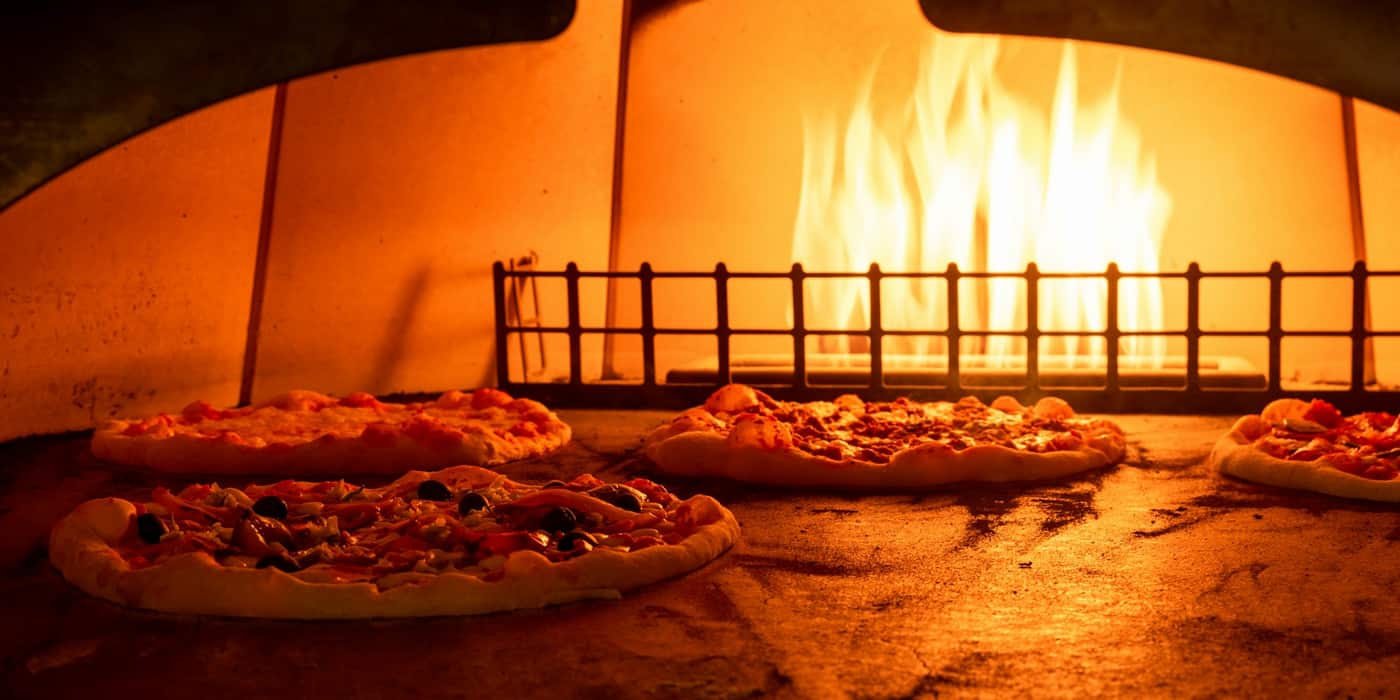
Pizza oven repair in Minneapolis and St. Paul
Pizza oven repair on site in Minneapolis and St. Paul: deck and stone hearth ovens, burners, pilots, thermostats, stones, flues and countertop electrics.
Why is my pizza oven not heating up?
On a gas deck oven, the usual causes are a pilot or thermocouple fault, a failed safety valve, a clogged burner or a thermostat that no longer opens the valve. On an electric oven, look at the elements, contactor and thermostat. A strong draft or blocked flue can also keep a gas oven from holding heat.
About pizza oven repair
A pizza oven earns its money on one thing: a hot, steady deck. When the oven will not come up to temperature before the lunch rush, or the stone is cold in one corner and scorched in another, every pie is late and uneven. Looking for pizza oven repair in Minneapolis or St. Paul usually means a restaurant that cannot afford to lose a day of sales waiting on a diagnosis.
We repair deck ovens, stone hearth ovens, countertop electric pizza ovens and stacked gas decks on site. Our diagnosis covers the burner, pilot or ignition, thermostat and safety valve, the stones and the flue. If you run an impingement conveyor oven, see conveyor oven repair, because those ovens fail in different ways and need different parts. Our diagnosis starts with the oven's data plate, so have it ready. For the cold side of a pizza line, see our prep table repair page.
Kinds of pizza ovens we repair
- Gas deck oven (single and stacked)
Each deck has its own burner, thermostat and safety valve and sits over its own stone. Stacked ovens share a flue and a gas supply, so a problem on one deck can be a problem on all.
- Electric deck oven
Top and bottom elements per deck, with thermostats and contactors. Uneven bake is usually one element, a failed relay or a thermostat out of calibration.
- Stone hearth or brick-lined oven
Heavy refractory floors and a gas burner or gas-assisted firing. A cracked or loose hearth stone and the burner's flame pattern are central to the diagnosis. We service the gas and controls side, not the masonry.
- Countertop electric pizza oven
A small oven with two heating elements and a simple thermostat and timer. They work hard and fail at the element, the thermostat or the cord and plug.
- Gas countertop pizza oven
A compact burner with a pilot or ignition, a thermostat and a safety valve. Small gas ovens are sensitive to drafts and dirty orifices.
- Wood- or coal-fired ovens
A masonry oven is a builder's job, not a service call. We do not repair the dome or firebox. If the oven has a gas assist or a control package, we can look at that part.
Complaint, cause, correction
| Complaint | Likely cause | Correction |
|---|---|---|
| Gas oven will not light or the pilot keeps going out | A dirty or blocked pilot orifice, a weak thermocouple, a worn thermopile, or a safety valve that no longer holds open. A downdraft from the flue or a hood can blow a pilot out. | We clean the pilot, test thermocouple output with a millivolt meter and test the valve. Any gas valve work belongs to a qualified gas contractor, and a gas smell means leave and call the gas utility. |
| Oven lights but heat never builds to set temperature | A partly clogged burner port, a low or fluctuating gas supply, a thermostat that closes the valve early, or a flue that is blocked and choking the burner. Low gas pressure on a shared line is a classic cause when other appliances run. | We watch the flame, measure manifold pressure where it is safe to do so, and test the thermostat. Pressure at the utility side of the meter is outside our scope and goes to the gas company. |
| Stone deck is cold in one area or scorched in another | A burner that burns unevenly, a broken or misplaced baffle, a cracked stone that has shifted, or a thermostat bulb that is out of position. Electric ovens can have one dead element. | We check the burner flame, the baffle and the bulb position, and we test each element. We also tell you whether the stones need replacing or just realigning. |
| Cracked, chipped or crumbling stones | Thermal shock from cold dough, water spilled on a hot stone, a dropped peel or simply age. Stones that are cracked can break up under a pan or peel. | We assess the cracks and replace the stones that are structurally weak. A hairline crack that has stayed stable can often be worked around for a while, and we tell you honestly which kind you have. |
| Burner flames are yellow, lazy or lifting | Dirty ports, wrong air shutter setting, a blocked flue or a gas pressure problem. Yellow flames mean incomplete combustion and soot, and lifting flames point at too much pressure or too much primary air. | We clean the burner and ports, set the air shutter, and look at the flue path. A strong sooty smell or visible carbon is a stop-and-call sign. |
| Oven will not hold heat when the door opens, or recovers slowly | A worn door seal, a door that has dropped, a thin or damaged insulation panel, or a burner that is undersized for its work. Heavy loads also drag the deck down quickly. | We check the door fit and the insulation and measure how fast the deck recovers. Sometimes the answer is how the oven is loaded and not a failed part. |
| Thermostat reads wrong, oven overheats or never cycles | A drifted capillary thermostat, a bulb out of place, a failed high-limit or an electronic control with a bad probe. Overheating can scorch crusts and damage the stones and the controls. | We test the thermostat against a separate thermometer on the deck, replace the control if it is off, and confirm the high-limit works. |
| Strong gas smell, soot or backdraft at the door | A cracked heat exchanger or flue, a blocked flue, a flue diverter that is out of position, or a burner burning poorly. Carbon monoxide risk rises with any of these. | Leave the kitchen, ventilate, and call your gas utility or 911 from outside. After it has been cleared by the utility, we can inspect the oven's burner and flue connection. Exhaust hoods and building flues are outside our scope. |
| Countertop oven element dead or timer will not run | A burned-out element, a failed relay, a bad thermostat or timer, or damage to the cord and plug from heat and wear. | We test each element with a meter and replace the failed one, then check the cord and the thermostat. A very old countertop unit may be better replaced than repaired. |
Check these before you call
- Check that the oven's gas supply valve at the wall is open, and that nothing has been moved against the flex line. Do not adjust the valve if you smell gas, and leave the kitchen if you do.
- Check the breaker or the oven's power switch on an electric or electronic-ignition oven, and make sure the oven has not been shut off at a wall switch.
- Look at the thermostat knob or display to confirm it is set to the temperature you expect, not to a lower setting or a pilot position.
- With the oven cold, look at each stone for cracks or movement and make sure nothing is blocking the burner area or the flue opening.
- Check the door closes fully and the gasket is intact. Do not relight a pilot that keeps going out more than once, and do not touch gas valves or burner assemblies.
Stop at gas valves, 208, 240 or 480 volt wiring, sealed refrigerant circuits, steam under pressure and anything live. Those are a call.
While it is down
A pizza kitchen without its oven has to cut the menu fast. Offer items that use the fry line, the salamander or a countertop oven, and move prepped dough to the walk-in so it does not overproof. Do not push a faulty gas oven back into service by relighting the pilot repeatedly, because a safety valve that is failing is doing it for a reason. When you call, tell us the make and model, whether it is gas or electric, and what you saw: no light, low heat, a cold spot or a smell.
Upkeep that prevents the calls
- Brush off the stone every day and scrape burned-on residue. Never wash a hot stone or let water sit on a cold one.
- Clean burner ports and pilot orifices on a schedule, because flour dust and grease settle there and change the flame.
- Keep the flue and area around the oven clear of storage and check that the flue draws as it should. Flue and hood work is outside our scope and goes to a hood contractor.
- Check the door seal, hinges and the insulation behind the front each month, since heat loss shows up as slow recovery.
- Verify the thermostat against a deck thermometer a few times a year and have the gas safety parts tested as part of a scheduled maintenance visit.
Repair or replace
A well-built deck oven can be repaired for a very long time, and parts like pilots, thermostats, burners and stones are replaceable. Replacement is worth considering when the deck frame has rotted or warped, the oven is a model the manufacturer no longer supports, or several repairs are stacking up. A small countertop electric may cost more to repair than to replace. We put the diagnosis and the price in writing first, and our guide on repair or replace decisions helps you frame the choice. For a gas oven that will not heat, see our pizza oven not heating guide.
Brands we repair
See also
Where it matters most
Where we repair pizza ovens
- Pizza oven repair in Andover, MN
- Pizza oven repair in Apple Valley, MN
- Pizza oven repair in Blaine, MN
- Pizza oven repair in Bloomington, MN
- Pizza oven repair in Brooklyn Center, MN
- Pizza oven repair in Brooklyn Park, MN
- Pizza oven repair in Burnsville, MN
- Pizza oven repair in Champlin, MN
- Pizza oven repair in Chanhassen, MN
- Pizza oven repair in Chaska, MN
- Pizza oven repair in Columbia Heights, MN
- Pizza oven repair in Coon Rapids, MN
More cooking equipment repair
Pizza oven repair questions
How long should a deck oven take to come up to temperature?
It depends on the size of the oven, the stone thickness and the burner rating, so we give no single number. What matters is a change: if the oven takes noticeably longer than it used to, a dirty burner, weak gas supply or failing thermostat is the likely cause.
Why is my crust burned on the bottom but pale on top?
The deck is hotter than the air above it. A thermostat that reads low, a burner running strong, a thin or cracked stone, or a missing baffle can cause it. On an electric oven, the top element may be dead. We measure both deck and chamber temperatures.
Is a cracked pizza stone dangerous to keep using?
A stable hairline crack is usually fine for a while, but a stone that has split into pieces can shift under a peel and break up under load. We look at how the crack runs and whether the stone still supports the pan or peel, and replace it if not.
What does the flue do on a gas deck oven?
It carries burned gas out of the oven and sets the draft that pulls fresh air to the burner. A blocked or poorly set flue starves the burner, so the oven runs hot at the back and cold at the front. We check the oven's flue connection, not the building exhaust or hood.
Can I replace just one stone?
Yes, if the stones are modular and the replacement matches the thickness and size. Mixed stones can heat unevenly and a mismatched one can sit proud of the others. We order from the manufacturer's part number, which is on the data plate.
Should I use my pizza oven's pilot light off season?
Check the manual. Many ovens are designed to stay lit, and a pilot out for weeks can collect dust or insects in the orifice. If it has been off a while, have it checked before relighting it, because gas valve work belongs to a qualified gas contractor.