Cafe and bakery equipment repair in Minneapolis and St. Paul
On-site repair of espresso machines, brewers, proofers, bake ovens and pastry cases for Twin Cities cafes and bakeries, scheduled around your morning bake.
Why does cafe and bakery equipment fail right at opening?
Most cafe and bakery failures surface at opening because the equipment sat cold overnight and then gets asked for full output at once. Scaled boilers, tired heating elements, proofer humidity faults and warm pastry cases show up in the first hour, when there is no slack in the schedule.
Cafes and Bakeries: what is different
A cafe or bakery runs on a short, hard production window. The espresso machine, the batch brewers and the water boiler have to be at temperature before the doors open. In a bakery the proofer, the deck or rack oven and the mixer are working hours earlier, often before the sun is up. When one of them quits, there is no later in the day to make it up. The croissants that did not proof are gone, and the line out the door does not wait for a part.
That is why we treat this work differently from a sit-down restaurant call. The failures are usually small and mechanical: a scaled-up steam boiler element, a coffee machine group head that drips, a proofer that cannot hold humidity, a pastry case running six degrees warm. We diagnose on site, give you a written price to approve before work starts, and where the schedule allows we can plan the visit around your service hours, not through them.
Equipment that matters in cafes and bakeries
- Commercial Coffee & Espresso Machine Repair
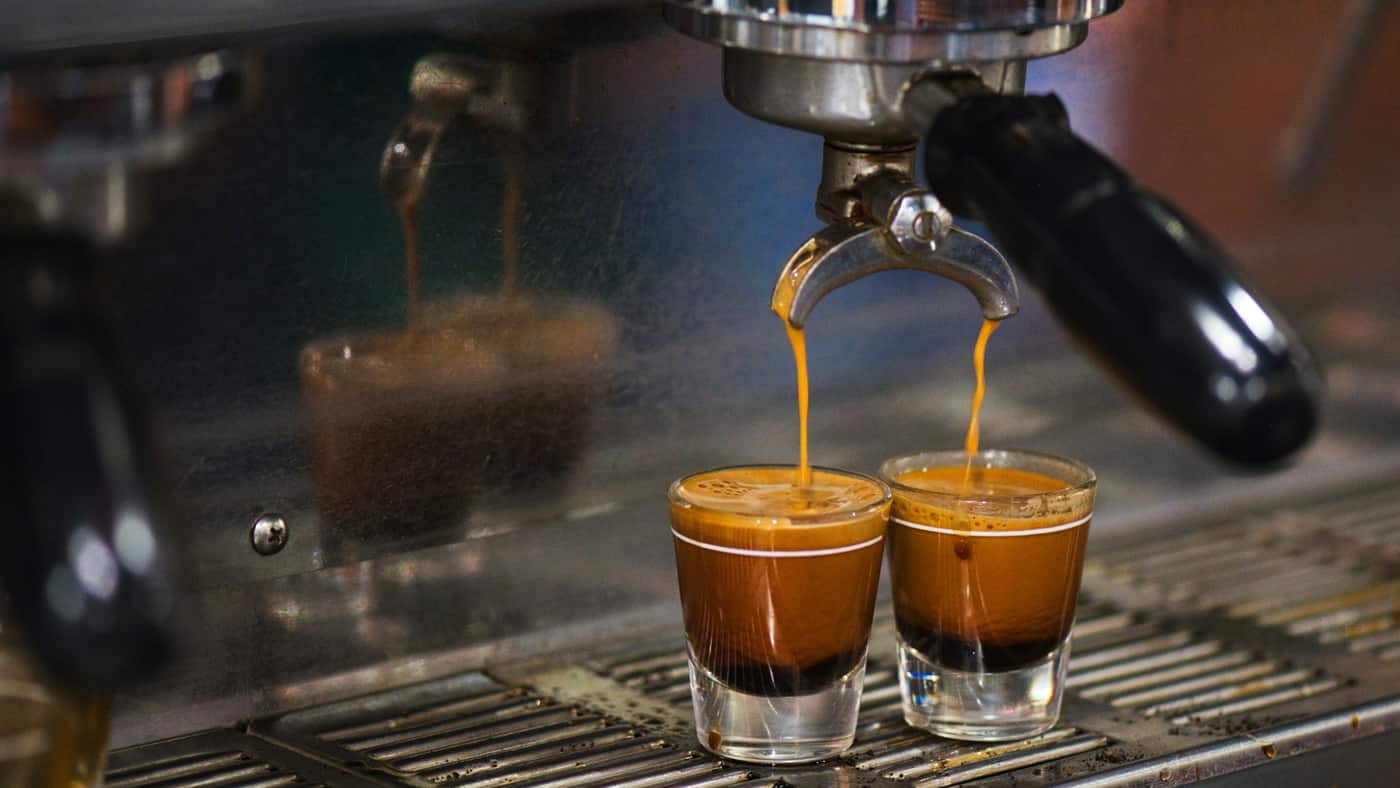
Espresso machines and batch brewers are the revenue engine. Scale in boilers and heat exchangers, worn group gaskets, failing pumps and solenoids all show up as weak shots, no steam or slow brew cycles.
- Bakery Equipment Repair
Proofers, rack and deck bake ovens and sheeters set the pace of the whole production day. A bad humidity element or a dead burner ignition on a bake oven costs a full batch of product, which is a far bigger loss than a few minutes of lost time.
- Display Case & Merchandiser Repair
Pastry, cake and sandwich cases are held to the same cold-holding limit as any other refrigerator, and a case that drifts warm also sweats and ruins presentation. Fans, defrost and door gaskets are the usual causes.
- Ice Machine Repair
Iced drinks drive summer sales in a cafe, and an ice machine that stops making ice in July forces a bag-ice run. Scale, dirty condensers and failing water inlet valves are the common faults.
- Commercial Refrigerator Repair
Milk, cream, syrups and prepped fillings live in undercounter and reach-in refrigerators that sit in a hot, cramped space behind the bar. Blocked condensers and worn door gaskets lead the list.
- Commercial Oven Repair
Convection ovens do the muffins, scones and cookies in many cafes. Cracked door seals, failed fan motors and bad thermostats give uneven color and long bake times.
- Commercial Mixer Repair
Planetary mixers carry heavy dough and batter loads. Worn gears, slipping belts and failing bowl-lift mechanisms show up as noise, vibration or a bowl that will not hold position.
- Prep Table Repair
Sandwich and salad prep tables hold the cold ingredients for a lunch rush. A table with a warm rail or a weak compressor puts a whole station out of service at the worst hour.
- Commercial Dishwasher Repair
A small undercounter or door-type machine keeps portafilters, pitchers and sheet pans moving. Low rinse temperature and clogged spray arms are what cut the day short.
What shapes a repair visit here
The opening deadline
Everything has to be at temperature before the doors open, and there is rarely anyone in the building the night before to notice a problem. A boiler that never reached pressure or a proofer that tripped overnight is discovered by the opener at the worst possible moment. We ask what time you first need the equipment and what was different about the last cycle.
Espresso machines are water problems first
Most espresso machine trouble starts with water: scale in the boiler or heat exchanger, a spent softener or filter cartridge, a worn gasket. Fixing the part without checking the water means a repeat failure. We look at the filtration and the water supply as part of the diagnosis, and tell you in plain terms if the cartridge is the real fault.
Bakery heat and humidity
A proofer that drifts in humidity or temperature gives uneven dough, and a bake oven with a weak burner or a dead fan gives uneven color across the rack. These faults hide until the product is already ruined. We separate control faults from element, sensor and ignition faults so you only pay to replace what failed.
Small footprint, hot back of house
Cafe kitchens are tight. Condensers sit behind the bar in dead air, beside ovens or under a stack of boxes, and sugar and flour dust clog coils quickly. Many warm-cooler calls trace to airflow, not to the sealed system. A coil cleaning and a clear few inches of space can be the entire repair.
Staff turnover and tribal knowledge
Baristas and bakers rotate, and the person who knew the machine's quirks is not always there. A clear daily routine for backflushing, filter changes and coil wipe-downs protects the equipment. We can talk the current crew through which checks are safe for them to do and which to leave for a technician.
Fitting the visit around the operation
Cafes and bakeries have two windows when the equipment is quiet, mid-afternoon after the lunch rush and after close. Bakeries often have a daytime lull once the morning bake is out. Tell us when production stops and what has to be back at temperature by when, and we will plan around it where the schedule allows. If a machine is down at opening, call and we will tell you the earliest opening we have. Please have the model and serial plate photographed before the visit.
Inspections and food safety
Refrigerated pastry cases, prep tables and milk coolers have to keep cold food at 41°F or below under the FDA Food Code, which Minnesota's Food Code (Minn. Rules chapter 4626) follows for cold holding. Cream-filled and custard items are time and temperature controlled, so a case that drifts is a food-safety problem as well as a quality one. Local health inspectors check the thermometer. Ask us for a written note of what we found and repaired so you have a record.
Brands we see most
Guides
Other kinds of operation
Cafes and Bakeries questions
Why does my espresso machine make weak shots after a descale?
A descale that clears the boiler can also loosen scale that then lodges in a solenoid, flow restrictor or group screen. If shots turned weak right after, the pump may be fine and a blocked passage is the cause. Tell the technician exactly what you descaled with and when.
Can a proofer run too humid?
Yes. A stuck humidity control or a leaking steam or water valve drives the cabinet too wet, which makes dough sticky and skins it badly. Condensation dripping on racks is the clue. A leaking water inlet or a failed controller is usually behind it, not the dough.
My pastry case is cold but the glass fogs. Is that a repair?
Often it is. Fogging usually means a worn or torn door or lid gasket, a missing or loose end seal, or a case sitting too near a door or vent. A door left ajar by stocking habits does the same. We check gaskets and airflow before touching the refrigeration circuit.
Why does my bake oven take longer to preheat than last winter?
A weak burner, a failing hot-surface igniter, a worn door seal or a tired fan motor all stretch preheat time. In winter cold air entering an open back door makes it worse. If it is gas, a pilot or burner that looks fine can still be underfiring, so have it tested instead of waiting.
How often should a cafe backflush the espresso machine?
Follow the manufacturer's procedure for your machine, which is typically a daily backflush of the group heads with the machine's own cleaner. The part people skip is the water side: filter cartridges and softener regeneration on schedule. That matters more than any single cleaning for how long the boiler lasts.