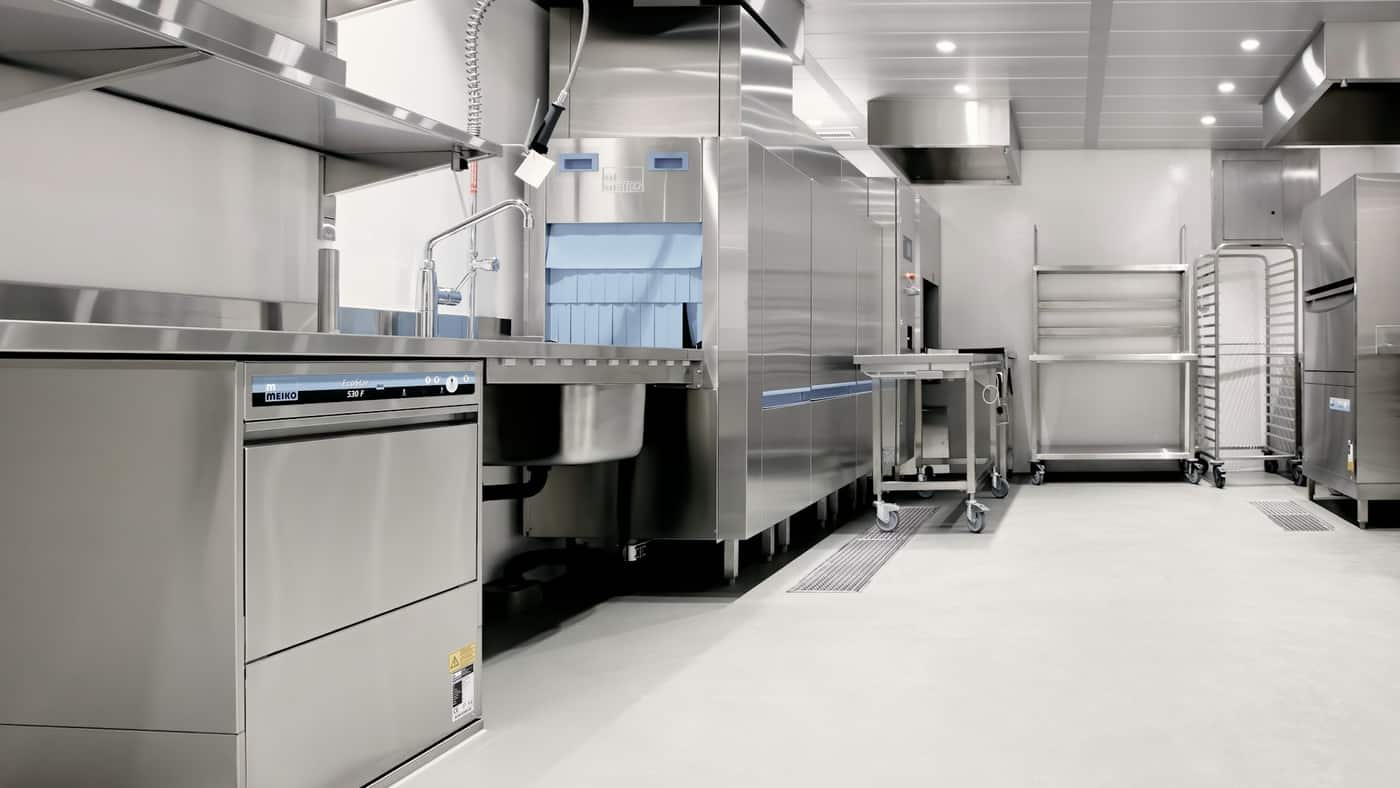
Commercial kitchen equipment maintenance in Minneapolis and St. Paul
Commercial kitchen equipment maintenance in Minneapolis and Saint Paul: what a planned visit checks on refrigeration, ice, cooking and dish machines.
What does commercial kitchen equipment maintenance include?
A planned maintenance visit means cleaning, inspecting and testing equipment before it fails: condenser coils, door gaskets, water filters, descaling, thermostat calibration, burners, safety controls, drains and belts. The visit ends with a written list of anything that is worn or off spec so you can approve repairs on your schedule.
About preventive maintenance visit repair
Commercial kitchen equipment maintenance is the work you do on a calendar so repairs do not happen during service. Most breakdowns have a slow cause: a coil that clogs over months, a filter that expires, a gasket that stiffens, a thermostat that drifts. A technician who sees the unit regularly finds these while the fix is a cleaning or a small part. The general checklist is in our commercial kitchen maintenance checklist.
This page explains what a planned visit looks at, by equipment type, so you know what to ask for. It sits alongside restaurant equipment repair for the days a machine fails anyway. We work on site at your business and can plan visits around your service hours where the schedule allows, so the kitchen keeps cooking. Any repair we find is quoted in writing for your approval before it starts.
Kinds of preventive maintenance visits we repair
- Refrigeration visit
Coil cleaning, fan motor and gasket checks, defrost and drain verification, and temperature checks for coolers and freezers.
- Ice machine visit
Descaling and sanitizing the water path, checking filters, water level, harvest and condenser airflow.
- Cooking line visit
Burner and ignition inspection, thermostat calibration, door and seal checks, safety control testing and a look at fan and cooling vents.
- Warewashing visit
Wash and final-rinse temperature, chemical feed, spray arms, scrap screens, booster heater and drain checks.
- Seasonal checks
A spring check on condensers before the summer load, and a fall check on outdoor equipment, drain heaters and door heaters before freezing weather.
- Laundry visit
Hose and valve inspection, door locks, belts, shocks and lint and airflow checks on washers and dryers.
Complaint, cause, correction
| Complaint | Likely cause | Correction |
|---|---|---|
| Condenser coils coated in grease and lint | This is the single most common finding on refrigeration. Dust and grease insulate the coil and block air, so head pressure and run time climb until the compressor overheats. | We clean the coil and clear space around the unit, then record the temperature drop. The cleaning costs far less than the compressor it protects. |
| Door gaskets cracked, stiff or pulled away | Gaskets age from cleaning chemicals and heat. A leaking seal allows warm humid air into the box, so frost builds and the compressor works longer. | We replace worn gaskets and check hinges and latch alignment so the new seal does not wear the same way. |
| Ice machine water path scaled or slimed | Mineral scale and biofilm collect on the evaporator, water distribution parts and bin. They slow ice production, affect taste and eventually damage the machine. | We descale and sanitize to the manufacturer's procedure and replace the filter. See the ice machine cleaning schedule for how often that should happen. |
| Thermostats reading off by many degrees | Ovens, fryers and coolers drift out of calibration over time. A reading that is off by 25°F wastes energy and food or puts cold-held product at risk. | We check against a calibrated instrument and adjust or replace the control. Cold boxes should hold 41°F or below. |
| Weak or worn parts found before they fail | Capacitors that read low, contactors that are pitted, fan motors that draw high amps and belts that are cracked all give warning before they fail outright. | We test components under load, list the ones nearing the end and quote them in writing. You choose whether to replace now or watch them. |
| Dish machine temperatures or chemical feed out of range | Heaters scale, final-rinse nozzles clog and chemical feed tubes wear out. Dishes may look clean while the final rinse is below the sanitizing temperature or concentration. | We measure wash and rinse temperatures and test chemical strength against what the machine's data plate requires, then correct the heater, nozzle or pump. |
| Burners, pilots and flame sensors fouled | Grease and carbon change flame quality and make ignition unreliable. Poor flames waste gas and can produce carbon monoxide. | We clean burners and sensors, check flame color and manifold pressure, and report any gas smell or leak to you at once. We do not service the gas piping before the appliance. |
| Drains, condensate lines and drain heaters not working | A slow condensate line backs water into coolers or onto floors. A freezer drain heater that has failed freezes the line solid. | We flush the equipment drains, test heaters and check the slope and trap, and report any blockage that is in building plumbing. |
Check these before you call
- Make a list of every unit with make, model and serial number from the data plates, so each visit has a complete inventory.
- Note any unit that has acted up recently, even briefly, and the date, so the technician can look at it first.
- Clear the area around each unit, empty a section of walk-in shelf if needed and make sure coil access is not blocked.
- Have your latest temperature logs and any error codes written down for the technician to see.
- Tell us which equipment cannot be shut off at what hours, so the visit does not interrupt service.
Stop at gas valves, 208, 240 or 480 volt wiring, sealed refrigerant circuits, steam under pressure and anything live. Those are a call.
While it is down
A planned visit should not leave you down, but some work needs a unit off for a short while, such as descaling an ice machine or recalibrating an oven. Plan those tasks for a slow period and ask us at booking which units must be powered down and for how long. Move product out of a cooler before the technician works on its coil if asked. Write down anything the technician finds, because that list becomes your repair budget and your inspection paperwork.
Upkeep that prevents the calls
- Clean condenser coils monthly in greasy kitchens and at least quarterly elsewhere, and between visits wipe door gaskets weekly.
- Replace water filters and descale ice machines, steamers and brewers on the schedule the manufacturer gives for your water.
- Log opening and closing temperatures on every refrigerator and freezer, and note any drift before it becomes a failure.
- Check burners, pilots and flame color weekly on gas equipment and report any change in flame or smell.
- Keep a service record for each machine, including every part replaced and the date, for use in repair or replace decisions.
Repair or replace
Maintenance visits give you the information to decide what to repair and what to replace, since the technician sees the same units again and again. A unit that needs the same part twice in a year is telling you something. When a visit finds a failing compressor, rusted cavity or cracked frame on an old unit, the written findings support a replacement budget. The repair or replace guide explains how to weigh the numbers, and maintenance records make that weighing less guesswork.
Brands we repair
See also
Related repairs
Where it matters most
Where we repair preventive maintenance visits
- Preventive maintenance visit repair in Forest Lake, MN
- Preventive maintenance visit repair in Fridley, MN
- Preventive maintenance visit repair in Golden Valley, MN
- Preventive maintenance visit repair in Hastings, MN
- Preventive maintenance visit repair in Inver Grove Heights, MN
- Preventive maintenance visit repair in Lakeville, MN
- Preventive maintenance visit repair in Lino Lakes, MN
- Preventive maintenance visit repair in Maple Grove, MN
- Preventive maintenance visit repair in Maplewood, MN
- Preventive maintenance visit repair in Minneapolis, MN
- Preventive maintenance visit repair in Minnetonka, MN
- Preventive maintenance visit repair in New Brighton, MN
More programs repair
Preventive maintenance visit repair questions
How often should commercial refrigeration be serviced?
Most operators schedule coil cleaning and a full check once or twice a year, with more frequent coil cleaning in greasy or dusty kitchens. The right interval depends on how clean the air is, how hard the unit works and how critical the product is. Ask us and we will describe what each visit covers.
Is maintenance only for old equipment?
No. New equipment gets dirty condensers, expiring filters and gasket wear at the same rate. Water-related care matters more where the supply is hard, and a new ice machine will scale quickly without a filter. Maintenance affects how long any unit lasts.
What is the benefit of calibrating ovens and fryers?
A thermostat reading far from the real temperature burns food, undercooks it or shortens fryer oil life. Calibration checks the real temperature against the setting at several points and corrects the control. It improves food quality and cuts waste.
Will maintenance let me skip repairs altogether?
No. It reduces surprise failures and catches wear before it stops service, but parts still fail. Compressors, boards and motors wear out eventually. A maintenance visit finds the units nearing that point so you can plan.
What do inspectors look at that maintenance helps with?
Inspectors check cold holding at 41°F or below, hot holding at 135°F or above, dish machine temperature or sanitizer concentration, clean equipment surfaces and working gaskets. Many of those depend on equipment that maintenance keeps in working order.
Can maintenance visits include the exhaust fan and hood?
Yes for the mechanical side: fan belts, bearings, make-up air filters, hood lights and controls can be checked on the same visit as the equipment. Grease cleaning of hoods and ducts and fire suppression inspection stay with their own contractors, so keep those schedules and records separate.