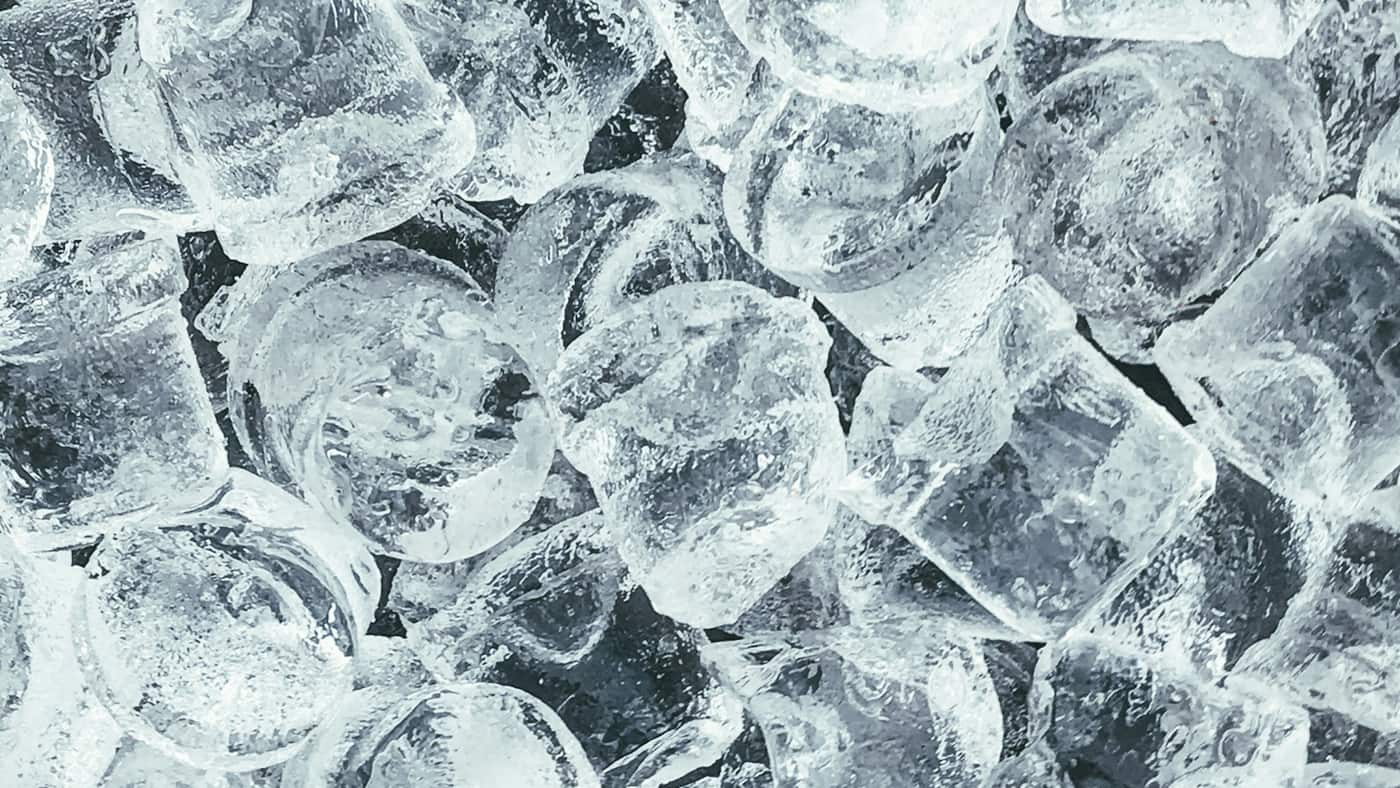
Ice machine repair in Minneapolis and St. Paul
Cube, nugget and flake ice machine repair on site in the Twin Cities: freeze and harvest faults, scale, water inlet, sensors, bin control and noisy augers.
Why is my commercial ice machine not making ice?
Most no-ice calls trace to a water supply problem, scale on the evaporator, a failed inlet valve, a dirty or blocked condenser, or a stuck bin control or water curtain. A machine that freezes but will not release has a harvest fault. Check the supply valve and condenser airflow first, then call.
About ice machine repair
An ice machine is easy to ignore until the bin is empty on a Friday. In a bar, a coffee shop or a care-home kitchen the machine runs all day and works with the most challenging ingredient in the building, water. Scale, slime and warm air do most of the damage, and the machine slows down long before it stops. By the time the bin is empty, the cause has usually been building for weeks, and a cleaning schedule that was skipped is often part of the story.
We repair cube, nugget and flake machines, modular heads on bins, undercounter units and remote-condenser systems. Diagnosis starts with what the machine is doing: whether it fills, freezes, harvests and shuts off, and where in that sequence it stops. You get a written price to approve before work begins. If you want the shorter version of the troubleshooting, see our guide on an ice machine not making ice, or read about bar cooler and kegerator repair for the rest of a bar's cold side.
Kinds of ice machines we repair
- Modular cube machine on a bin
The most common build in restaurants and hotels. A head sits on a separate storage bin, so the repair splits into the making side and the storage side. Cubes can be full, half or dice size.
- Undercounter cube machine
Machine and small bin in one cabinet below a counter. Tight spaces mean heat from the condenser is trapped, and the filter and drain are harder to reach, so airflow and drain faults are common.
- Nugget (chewable) machine
These use a rotating auger inside a freezing barrel and a gearmotor, not a freeze and harvest cycle. Bearings, auger wear, scale in the barrel and gearmotor faults are the typical calls.
- Flake machine
Also auger-driven. Flake ice is soft and used for food display, healthcare and seafood. A low-ice or wet-ice complaint often means scale, a water level fault or a refrigerant-side issue.
- Remote-condenser ice machine
The condenser sits on the roof or outside the building and refrigerant lines run between. The line set and the remote head add faults that a self-contained machine does not have.
- Water-cooled machine
Rejects heat to a water loop and uses a water regulating valve. Scale in the condenser and a sticking valve are the usual problems, and the water use is worth watching.
Complaint, cause, correction
| Complaint | Likely cause | Correction |
|---|---|---|
| No ice at all, bin empty | No power, a closed or clogged water supply, a failed water inlet valve, a tripped high-pressure or bin control, or a failed compressor start component. Some machines lock out after repeated safety shutdowns. | We confirm voltage and water at the machine first, then read the cycle. If it will not run, we test the control board, inlet valve and the compressor circuit before suggesting any part. |
| Machine freezes but ice will not drop (harvest fault) | In a freeze and harvest machine, the evaporator is warmed with hot gas or a harvest-assist to release the slab. A failed hot gas valve, a weak harvest assist, a stuck water curtain or a poor thickness sensor reading can stop it. | We watch a full cycle, check the harvest valve and the sensor, and look at water temperature and scale. A heavy scale layer on the evaporator makes ice grip and can mimic a valve problem. |
| Ice is cloudy, thin, hollow or shaped wrong | Poor water quality, a low water level, a failing water pump or distribution tube, or scale in the freezing plate. Hollow or ragged cubes often mean the water is not flowing evenly across the plate. | We clean and descale with an approved nickel-safe solution, inspect the distribution tube and pump, and check the water level setting. Filtration advice follows from what we find. |
| Ice is slow, small bin each day | A dirty condenser, a hot room, a failed condenser fan motor or a refrigerant-side loss reduces capacity. A condenser that is partly blocked can quietly halve output in summer. | We clean the coil, test the fan motor and capacitor, and measure ambient and water temperature. If refrigerant work is needed, it is done only by someone certified under EPA Section 608. |
| Machine runs but ice bin stays full or overflows | A failed bin control (thermostat, infrared sensor or proximity switch on most models), a stuck water curtain or a bridge of ice that holds the shutoff open. A misplaced bin control can fail to shut the machine off. | We test the bin control for continuity and calibration, free the curtain, and check that the bin is not holding a solid block of ice that keeps the sensor tripped. |
| Water leaks, overflows or constantly drips | A float or level sensor fault, a stuck inlet valve, a cracked reservoir, a loose hose clamp or a clogged drain. Back-siphoning from a drain that is too low can also fill the bin. | We trace the water path from the supply to the drain, replace the faulty valve or hose, and make sure there is a proper air gap on the drain. |
| Slime, odor or off-taste in the ice | Biofilm in the reservoir, bin or chute, a spent filter cartridge, or a drain that has backed up and left a sour smell. Mold and slime thrive in warm, humid bins and are an inspection concern. | We deep-clean and sanitize the water path and bin using the manufacturer's procedure, replace the filter, and show you where the slime tends to return so your cleaning crew can reach it. |
| Grinding, squealing or chattering from a nugget or flake machine | A worn auger bearing or thrust bearing, scale on the auger or barrel, a gearmotor with low oil, or an overloaded auger after a water supply interruption. | We inspect the auger and bearings, descale the barrel, check the gearmotor and replace worn parts. Running the machine through a bearing noise can ruin the auger and barrel. |
| Machine shuts off on a safety or high-temperature lockout | A blocked condenser, a failed fan, excessive head pressure, a stuck water regulating valve on a water-cooled machine, or high-temperature safeties tripped by a hot room. | We clear the cause, test the safety and reset it only after the underlying fault is gone. Repeated resets without a fix can damage the compressor. |
Check these before you call
- Make sure the water supply valve to the machine is open and the water filter is not blocked. If a filter cartridge is past its date, replace it with the matching cartridge.
- Check that the power switch, the breaker and the bin control are in the on position. A bin that is packed to the top can shut the machine off by design.
- Look at the air-cooled condenser, usually a grille on the front or side, and clear lint and dust with a soft brush while the machine is switched off. Keep the clearance around the unit open.
- Read any lights or the display. Many machines flash a pattern that tells which safety stopped the cycle, and the pattern is useful to report when you call.
- Look for scale on the water curtain and the inside of the bin. White crust means a descaling is overdue. Do not use household bleach or non-approved cleaners, which can damage the evaporator.
Stop at gas valves, 208, 240 or 480 volt wiring, sealed refrigerant circuits, steam under pressure and anything live. Those are a call.
While it is down
Check your bin and use what is left sparingly while you wait. Buy bagged ice from a supplier that uses sealed bags and keep it in a clean, dedicated container, not in a cooler that holds raw product. Never scoop ice with a glass, and never put bagged ice back in the machine bin. Tell us the make and model, how long it has been down, whether it makes any ice at all, and what the last cleaning was. If water is leaking, shut off the supply valve and tell us before we arrive.
Upkeep that prevents the calls
- Clean and sanitize the water path and bin at the interval your manufacturer lists. Most makers specify at least twice a year, and heavy-use sites need more.
- Descale the evaporator and water system based on your water hardness, not the calendar. Hard water scales faster, and filter cartridges only reduce it.
- Change water filter cartridges on schedule and keep a record. A spent cartridge can also lower flow and starve the machine.
- Clean the air-cooled condenser coil on a schedule, and keep at least the manufacturer's clearance around the unit for airflow.
- Check the drain, the curtain and the bin door each month. A scoop left in the bin or a door that does not close fully lets in warm air and contamination.
Repair or replace
Ice machines can run for many years when the water is treated and the condenser stays clean, but a machine that has been run through heavy scale or a lot of heat tends to need parts in a chain. Repair usually makes sense for a valve, sensor, pump or board. Replacement is worth discussing when the evaporator is damaged, the refrigerant circuit has failed on an older machine, or the unit is badly undersized for the demand. Our repair or replace guide helps you weigh it, and we price the repair in writing first.
Brands we repair
See also
Related repairs
Where it matters most
Where we repair ice machines
- Ice machine repair in Columbia Heights, MN
- Ice machine repair in Coon Rapids, MN
- Ice machine repair in Cottage Grove, MN
- Ice machine repair in Crystal, MN
- Ice machine repair in Eagan, MN
- Ice machine repair in Eden Prairie, MN
- Ice machine repair in Edina, MN
- Ice machine repair in Elk River, MN
- Ice machine repair in Farmington, MN
- Ice machine repair in Forest Lake, MN
- Ice machine repair in Fridley, MN
- Ice machine repair in Golden Valley, MN
Ice machine repair questions
What is the difference between the freeze cycle and the harvest cycle?
In a cube machine, water runs over a cold evaporator plate and freezes into a slab during the freeze cycle. In harvest, hot refrigerant gas warms the plate briefly so the slab slides into the bin. A long freeze or a harvest that never ends points at different parts.
Why is my ice cloudy or full of white flakes?
Dissolved minerals come out of the water as it freezes, and some machines show it more than others. Cloudiness and flakes are often scale from hard water. A filter helps, and descaling the plate and curtain keeps flakes from shedding into the bin.
Can I use any cleaner on my ice machine?
No. Use only the cleaner and sanitizer your manufacturer lists for the model, because acid cleaners can attack nickel plating and incorrect chemistry can leave residue in the ice. Rinse the water path thoroughly after each cleaning and never mix chemicals.
Why does my nugget machine make a loud grinding noise?
The auger turns against a ring of ice inside the barrel, so scale, a worn bearing or low water supply will all make noise. Stopping the machine early often saves the auger. Please do not run it to see whether the noise clears.
Why does the machine make less ice in summer?
An air-cooled machine rejects heat to the room, so a hot kitchen and a dust-clogged condenser cut output. Warm incoming water also adds load, because it must be chilled first. Clear the coil, keep clearance around the unit, and see whether ambient heat is the real driver.
What does the bin control do, and what happens if it fails?
The bin control senses when the ice has reached a set level and shuts the machine off. A failed control can let the machine keep making ice until the bin overflows, or shut it off too early so the bin looks half empty. We test the sensor and its position.