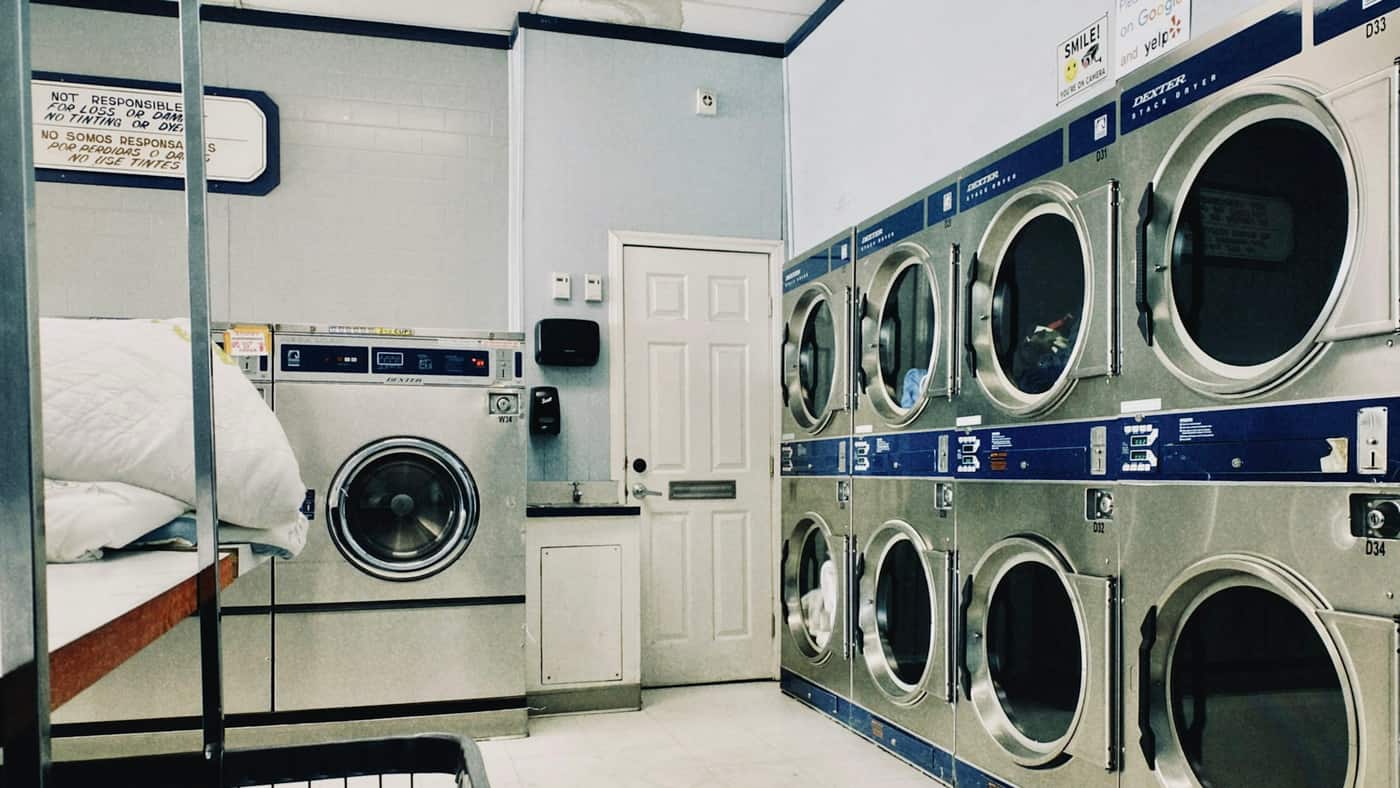
Laundromat equipment repair in Minneapolis and St. Paul
Repair for Twin Cities laundromat washer-extractors, tumblers, coin and card systems and drains. A down machine is lost revenue, so diagnosis comes first.
How do I stop laundromat machines from sitting out of order?
Keep a log of each machine's faults, fix the cheap recurring ones such as lint, hoses and door seals before they stop a cycle, and get a diagnosis and written price quickly when a machine does go down. Every day a machine is out of order is revenue you do not collect.
Laundromats: what is different
At a laundromat the machine is the product. A washer-extractor that is out of order earns nothing, and a customer who finds three machines tagged goes down the street. Unlike a restaurant, there is no workaround: nobody can wash a load in a dead washer. The downtime math is simple, and it is why a laundromat owner wants a clear diagnosis and a written price to approve as soon as the machine is looked at.
We repair commercial washers and commercial dryers in laundromats, from small front-load machines to large washer-extractors and stacked tumblers. We look at the machine and the systems around it: water supply, drain troughs, heat, and the coin or card controls. We will tell you honestly when a machine has stopped earning its repair, and when the real fault is in the water supply, the drain or the payment system instead of the machine itself.
Equipment that matters in laundromats
- Commercial Washer Repair
Washer-extractors take the heaviest abuse: unbalanced loads, door locks, drain valves, water inlet valves and bearings. A failed drain valve or a bad door lock takes a washer out immediately.
- Commercial Dryer Repair
Stacked and single tumblers run on gas or electric heat. Failed igniters, gas valves, elements and clogged exhaust are the common reasons customers report a dryer that does not dry.
- Commercial Laundry Equipment Repair
A laundromat is a system of washers, dryers, water supply, drains and payment. We look at the whole room so you do not chase one failure while the cause is somewhere else.
- Preventive Maintenance
A routine visit for belts, hoses, door seals, lint, vents and bearings is cheaper than a lot of emergency calls, and it shows which machines are on their way out.
- Emergency Commercial Appliance Repair
A flooded floor, a tripped breaker that takes out a bank of machines or several tumblers down on a Saturday is an emergency in a laundromat. Call and we will tell you the earliest opening we have.
- Commercial Coffee & Espresso Machine Repair
Some Twin Cities laundromats run as a cafe, bar or community space with a coffee station. It is a side line, but the same service call can handle the espresso machine or brewer.
What shapes a repair visit here
Every machine is revenue
A laundromat does not have a spare dryer sitting in the back. Each machine tagged out changes the day's receipts. That makes accurate triage matter more than anything: is it a part, a control, a drain, a payment fault? We diagnose the cause so you approve a repair that actually brings the machine back.
Washer-extractor stress
Washer-extractors spin at high speed, and an overloaded or unbalanced load beats on the bearings, shock mounts and suspension. A machine that walks across the floor or throws a vibration fault is telling you something. Check load limits and balance early, because ignoring it ends in a failed bearing or a cracked weld.
Water heating and hot water supply
Many washers depend on a building hot water supply. If hot water runs cold or slow, customers blame the machine. We tell the difference between a washer's own heating or inlet fault and a supply problem from the building's water heater. The water heater and gas piping are not ours, and we tell you when it is them.
Drain troughs and floor drains
Washers dump a lot of water at once, and a floor trough that clogs with lint and coins backs water up around the machines. A washer can look broken when the drain is the issue. A slow drain or a trough that backs up deserves a plumber, and we flag it when we see it.
Payment systems and customer behavior
Coin drops, card readers and central pay stations are as likely to fail as the machine. Customers also overload washers and dryers, jam coins and block lint screens. A clear sign on each machine with its number and load limit helps, and a quick note of what customers report speeds up our diagnosis.
Fitting the visit around the operation
A laundromat is busiest evenings and weekends, so service is easiest on weekday mornings. Where the schedule allows we can plan work around your slow hours, and if a machine is down in the middle of the weekend rush, call and we will tell you the earliest opening we have. Take a photo of the data plate, note the fault code or what the customer reported, and tell us whether the attendant can let us in, because many laundromats run unattended.
Inspections and food safety
The laundromat itself is not a food business, but there are safety points. Dryers must vent to the outside per the manufacturer's instructions and local mechanical and fire code, and a restricted exhaust is a fire hazard, so clean lint traps and watch for slow drying. Gas supply and venting are building and utility matters beyond our scope. Gas odor on the laundromat floor means customers outside first, then the gas utility or 911. Electrical work on 208/240/480 V needs a qualified person.
Brands we see most
Guides
Other kinds of operation
Laundromats questions
A washer-extractor throws an unbalance fault every cycle. What should I check?
First check for a heavy single item or a load that is too large, and make sure the machine is level and sitting solid. If it repeats on an empty or small load, the shock mounts, bearings or load sensor may be failing. Do not keep running a machine that shakes hard.
Tumblers are taking two cycles to dry. Is it the machine or the vent?
Both are possible. A lint-clogged exhaust, a crushed duct or a make-up air shortage in the room makes every dryer slow. If only one dryer is slow, the thermostat, the burner or the element is more likely. Compare machines side by side before you call.
Why do customers say the washer ate their money and never started?
The coin drop or card reader accepted payment but the control did not receive the signal, or the machine had a fault like an unlocked door. Check whether the display shows credit and whether the door latch engaged. The reader and the interface wiring are what we test.
Water is pooling around the machines. Is it the washer?
Maybe. A hose connection or a failed pump can leak, but so can a floor trough clogged with lint, which backs up whenever several machines drain at once. Watch where the water first appears during a drain. Clearing a blocked trough or line is plumbing work, and we tell you if that is the cause.
How old is too old for a laundromat washer?
Age matters less than what is failing. A well-kept machine runs a long time, and parts that are still made make repair worthwhile. When the bearing, drum and transmission are all going, or parts are gone, a replacement earns more than another repair. We give a written assessment so you can decide.